Dropshipping looks like an easy way to launch an online business — low upfront costs, no inventory, and quick setup. But there’s a harsh reality many store owners discover too late:
Google is not a fan of low-quality dropshipping sites.
If your store relies on organic traffic or Google Ads, understanding what Google dislikes can be the difference between scaling profitably and getting buried in search results (or worse — banned).
Let’s break down the biggest red flags and how to fix them.
1. Thin Content (a.k.a. Copy-Paste Stores)
What Google Hates:
Most dropshipping stores reuse product descriptions from suppliers like AliExpress. That means:
- Duplicate content across hundreds of sites
- No unique value
- Poor SEO performance
Google’s algorithms prioritize original, helpful content. If your site looks identical to dozens of others, you won’t rank.
How to Fix It:
- Write unique product descriptions
- Add real use cases and benefits
- Include FAQs and comparisons
- Use original images or user-generated content
👉 Think: “Why should someone buy from me instead of 50 identical stores?”
2. Slow Website Speed
What Google Hates:
Dropshipping stores often rely on:
- Bloated themes
- Too many apps/plugins
- Unoptimized images
This leads to slow load times, which hurts both SEO and conversion rates.
How to Fix It:
- Compress images
- Remove unnecessary apps
- Use a lightweight theme
- Optimize for mobile first
⚡ Speed is not optional — it’s a ranking factor.
3. Poor User Experience (UX)
What Google Hates:
If users land on your site and quickly leave, Google notices. Common issues:
- Confusing navigation
- Aggressive popups
- Fake urgency timers
- Cluttered design
This increases bounce rate, which signals low quality.
How to Fix It:
- Keep design clean and simple
- Make navigation intuitive
- Avoid spammy tactics
- Ensure mobile usability
👉 Your site should feel like a real brand, not a quick cash grab.
4. Lack of Trust Signals
What Google Hates:
Google evaluates E-E-A-T (Experience, Expertise, Authoritativeness, Trustworthiness).
Most dropshipping stores fail here:
- No “About Us” page
- No contact information
- No reviews
- No clear policies
This screams “untrustworthy.”
How to Fix It:
- Add a detailed About page
- Show real customer reviews
- Include shipping & return policies
- Display contact info (email, address if possible)
💡 Trust = higher rankings + better conversions.
5. Misleading or Low-Quality Ads
What Google Hates:
If you’re running Google Ads, this is critical.
Common violations:
- Clickbait product claims
- Misleading pricing
- Fake scarcity (“Only 2 left!” when it’s not true)
- Mismatch between ad and landing page
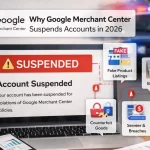
This can lead to account suspension.
How to Fix It:
- Be transparent in ads
- Match ad copy with landing page content
- Avoid exaggerated claims
- Follow Google Ads policies strictly
6. No Real Brand Identity
What Google Hates:
Generic stores with:
- Random product collections
- No niche focus
- No brand story
Google prefers authority sites, not random catalogs.
How to Fix It:
- Focus on a niche
- Build a brand story
- Use consistent design and messaging
- Create content around your niche (blog, guides, etc.)
👉 Niche stores outperform “general stores” almost every time.
7. Poor Backlink Profile
What Google Hates:
No backlinks = no authority.
Many dropshipping stores rely only on ads and ignore SEO.
How to Fix It:
- Build backlinks via:
- Guest posts
- PR mentions
- Partnerships
- Create shareable content (guides, case studies)
8. Duplicate or Low-Quality Product Images
What Google Hates:
Using the same supplier images as everyone else:
- Reduces uniqueness
- Weakens SEO
- Looks unprofessional
How to Fix It:
- Create your own photos if possible
- Edit supplier images
- Add lifestyle images
- Use videos
9. No Value Beyond the Product
What Google Hates:
Stores that only try to sell — nothing else.
Google favors sites that:
- Educate
- Help users make decisions
- Provide real value
How to Fix It:
- Add a blog (like this one 😉)
- Create buying guides
- Answer customer questions
- Build a content strategy
Final Thoughts
Dropshipping itself isn’t the problem.
Low-effort dropshipping is.
If your store:
- Looks generic
- Offers no unique value
- Provides poor user experience
Google will push you down — or ignore you completely.
But if you treat your dropshipping store like a real business:
- Build a brand
- Create original content
- Focus on trust and user experience
You can absolutely win — both in SEO and paid traffic.
Want to Grow Your Store Faster?
At 100roi.click, we focus on strategies that actually drive ROI:
- Conversion optimization
- SEO for eCommerce
- High-performing ad campaigns
If you want your store to work with Google instead of against it, start by fixing the issues above — and build from there.